










Herbs
to strengthen the immune system
Take
a 2-3 week course of Echinacea or Astragalus tincture to boost your immune
system. Extra Vitamin C and zinc may also be of benefit (do not take zinc
supplements for longer than 2 weeks without the advice of a qualified
practitioner). Dietary sources of zinc include seeds (especially pumpkin),
cheddar cheese, beef, wholemeal bread and shellfish. A diet rich in fresh fruit
and vegetables should ensure an adequate intake of Vitamin C. If you are elderly
or suffer from chronic respiratory problems it is probably a good idea to ask
your GP for a flu jab.
Colds
and Flu
At
the first sign of the sniffles make a tea with equal parts of yarrow, peppermint
and elderflowers. Add a dash of Tabasco or a little grated ginger root (or
powder) to stimulate the circulation. Sweeten with honey if you like. The
‘diaphoretic’ effect of this hot infusion will cause you to perspire. During
infections the body tries to rid itself of the invading organism by raising your
temperature – most bugs do not survive at much above normal body temperature.
Wrap up warm and drink lots of water and you should start to feel better quite
soon.
If
you have the heavy aching feeling that often accompanies flu, take some Boneset
tincture. An Epsom salts bath with a few drops of warming essential oils such as
juniper and ginger will also help. Or you can try an old-fashioned mustard bath!
Sinusitis
Astringent herbs such as Goldenseal, Elderflower and Eyebright will help to reduce mucus secretion, and the addition of a little Capsicum will improve the circulation. Echinacea will ensure that possible infection is dealt with, and Plantain will strengthen the lining of the nasal passages and sinuses. Steam inhalations of Eucalyptus or Ravensara may also help. Put a few drops of the essential oil into a bowl of boiling water. Lean over the bowl, covering your head with a towel, and inhale the steam. A chest rub containing these essential oils will help at night, or keep an oil vaporiser next to your bed. Other useful decongestant essential oils include juniper and rosemary.
Coughs
Soothe any irritation with marshmallow tea or syrup, or warm honey and lemon juice. Wild cherry or Elecampane syrup is recommended for an unproductive cough. Herbs such as coltsfoot, hyssop and white horehound will bring relief to a ‘hard’ cough. The chronic cough of bronchitis will respond to Iceland moss and Lobelia (the latter is only available from qualified practitioners). Thyme and liquorice syrup is a good general cough remedy. The thyme ‘disinfects’ the lungs. As with any infection, a short course of Echinacea is recommended.
Sore
throat
Gargle with a hot infusion of sage and honey.
Earache
Gently drop some warmed mullein or diluted garlic oil into your ear. If earache is severe or persists for more than 3 days, you should see your GP.
Coldsores
Coldsores are caused by the herpes virus which lies dormant in your body until it is able to take advantage of a depressed immune system. Coldsores therefore tend to erupt when you are already feeling under-the-weather. Dab them with an anti-viral tincture such as Melissa or Hypericum (St.John’s Wort). Neat whisky or vodka is also quite effective.
Chilblains
Boost the circulation to your feet with ginger. Traditional ‘cures’ include bathing the feet in water that has been used to boil potatoes, and rubbing the affected area with a slice of raw onion or some cider vinegar. Keep your feet dry and warm at all times. Woollen or cotton socks are better for your feet than nylon socks or tights.
Cracked heels
Gently remove any thickened skin with a pumice stone. Bathing can be very dehydrating, so make sure you always moisturise your feet afterwards. Good hygiene is important in order to avoid the cracks becoming infected. Hempseed oil and marigold cream are useful treatments, and comfrey cream will encourage rapid healing. Ensure there is no infection – comfrey cream is so effective at healing the skin that it can actually seal in infection. A mixture of rosewater and vegetable glycerin will keep the feet soft.
Over-indulgence
Good detox herbs include dandelion leaf and root, burdock root and milk thistle. Feelings of nausea will respond to chamomile tea or ginger. Fennel tea will help to reduce wind. If you are going to be drinking alcohol, make sure you alternate it with glasses of water. Most hangovers are caused by dehydration.
Safety
Notice
The advice given above is not intended to take the place of diagnosis and treatment by a qualified herbal practitioner or your GP. If symptoms persist without any improvement for more than a few days, or if you start to feel worse, you should seek medical advice.
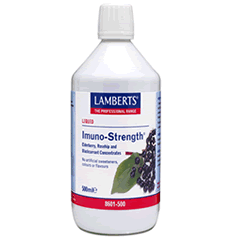
Imuno-Strength® Elderberry, Rosehip and Blackcurrant Concentrate 500mls
Elderberry, rosehip and blackcurrants are all exceptionally rich sources of
important compounds called flavonoids, including anthocyanidins that are known
potent antioxidants.
Indeed to truly maximise antioxidant defences, plant-derived antioxidants should
be incorporated into patients’ regimes. The flavonoid family found in these
three fruits is uniquely positioned for such a task, since they are
physiologically active in both lipid and aqueous environments in the body, which
makes its overall antioxidant properties many times that of vitamin C or vitamin
E. Moreover, thousands of studies spanning decades of research consistently and
repeatedly show that maintaining a high antioxidant defence system lowers a
person’s risk of disease as well as stimulating the immune system.
Imuno-Strength® is a tasty natural blend of elderberry, rosehip and blackcurrant
concentrates carefully formulated to retain the nutritive properties of the
fruits. Recommend to those 5 years and upwards whose immune system is under
pressure and requires a boost.
£14.95 for approx 50 days supply