










Serenoa serrulata (Hook)
Synonyms: Serenoa repens (Bartram), Sabal serrulatum (Roem & Schult.), saw palmetto berries, sabal
Order: Palmae
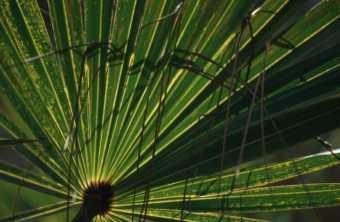
Description: Serenoa is a low scrubby palm growing in sandy soil along the Atlantic coast from South Carolina to Florida. The trunk is largely subterranean; above ground it is covered with the bases of withered leaves which often remain stunted or form twiggy branches growing along the ground. The stiff leaves are about 60cm long and spread out in fans. The ivory-coloured fragrant flowers grow in clusters. The stone fruits are about 25mm long, dark purple to black, with light brown flesh, and grow in bunches, ripening from October to December.
Parts used: Dried fruits.
Collection: The fruits are collected from August to January and partially dried to a prune-like consistency.
Constituents: about 1% green volatile oil in the pulp, steroidal saponins; fixed oil in the seeds (containing 25% fatty acids, including caproic, lauric and palmitic acids, and 75% neutral fats), sterols, dextrose, resins, tannins, enzymes, possible alkaloid
Actions: diuretic, urinary antiseptic, endocrine agent, anabolic agent, relaxant, sedative, tonic to the male reproductive system, particularly the prostate, reduces congestive catarrhal conditions of the respiratory system, reputed aphrodisiac
Indications: chronic or sub-acute cystitis, prostatic hypertrophy, catarrh of the genito-urinary tract, testicular atrophy, sex hormone disorders. Specifically indicated in prostatic enlargement.
Therapeutics and Pharmacology: Serenoa is a valuable remedy for male reproductive system, particularly the prostate gland. It is known as the 'plant catheter' because of its tonic effect on the neck of the bladder and on the prostate. It is prescribed for debilitated conditions of the male reproductive system such as testicular atrophy, low libido and impotence. It is also recommended for inflammation of the prostate and for enlarged prostate. The steroidal saponins are responsible for the nourishing qualities of the fruit extending to the sexual organs, while the volatile oil is likely to have the main urinary antiseptic action. Serenoa is also believed to be effective for functional infertility in women and to increase the supply of mother's milk. It may be used to relieve painful periods associated with lack of tone of the reproductive organs. The berries have a toning and soothing influence on mucous membranes throughout the body as well as an expectorant property, making this a useful remedy for colds and catarrh, especially where chronic and congestive - the isolated oil is an effective inhalant. It has a traditional use for asthma and bronchitis. The berries are also used to treat urinary disorders and enuresis, and are of value in all infections of the urinary tract. Serenoa is reputed to be mildly sedative to the nervous system.
Combinations: Serenoa can be combined with Turnera and Cola in general debility; and with Equisetum and Hydrangea in prostatic hypertrophy.
Preparation and Dosage: (thrice daily)
Regulatory Status GSL
Dried fruits: 0.5-1g or by decoction
Liquid Extract BPC (1934): 0.6-1.5g
Bibliography
BHMA 1983 British Herbal Pharmacopoeia, BHMA, Bournemouth.
Grieve, M. 1931 A Modern Herbal, (ed. C.F. Leyel 1985), London.
Hoffmann, D. 1990 The New Holistic Herbal, Second Edition, Element, Shaftesbury.
Lust, J. 1990 The Herb Book, Bantam, London.
Mabey, R. (ed.) 1991 The Complete New Herbal, Penguin, London.
Mills, S.Y. 1993 The Essential Book of Herbal Medicine, Penguin, London (First published in 1991 as Out of the Earth, Arkana)
Mills, S.Y. 1993 The A-Z of Modern Herbalism, Diamond Books, London.
Ody, P. 1993 The Herb Society's Complete Medicinal Herbal, Dorling Kindersley, London.
Weiss, R.F. 1991 Herbal Medicine, Beaconsfield Arcanum, Beaconsfield.
Wren, R.C. 1988 Potter's New Cyclopaedia of Botanical Drugs and Preparations, C.W.Daniel, Saffron Walden.